

Understanding Lesbian Relationships in San Francisco: Emotional Intimacy, Growth, and the Real Work of Connection
LGBTQ+ Affirming Psychotherapy in San Francisco
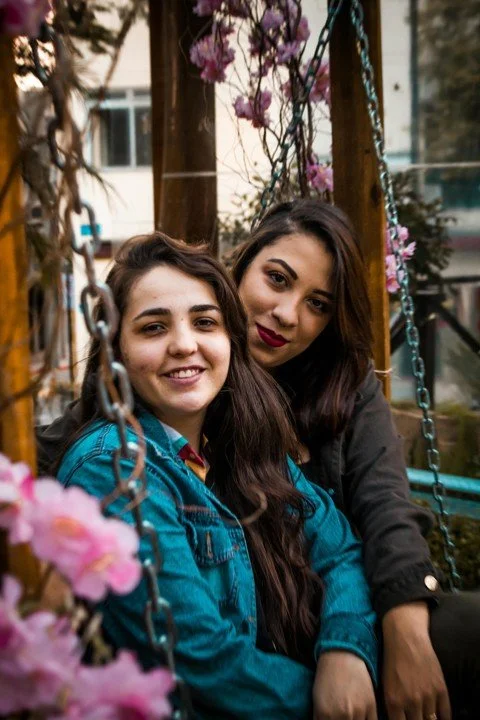
Lesbian relationships in San Francisco unfold in a city known for its queer history, political activism, and vibrant community life. But beneath the rainbow flags and visibility, the emotional realities that lesbian couples navigate are often far more complex and deeply human than the city’s progressive reputation might suggest. In my clinical work with queer women across the Bay Area, I see again and again that these relationships are shaped by unique experiences—intense emotional attunement, a shared understanding of gendered socialization, and the long shadow of cultural expectations that many women carry.
Emotional Intimacy as a Strength—and a Challenge
Many women in same-sex relationships describe a sense of being understood in a way that felt elusive in past relationships with men. There’s often a shared emotional language that develops quickly, a mutual awareness of subtle shifts in tone, mood, or energy. It’s not uncommon for clients to tell me that their partner “gets it” before they even speak the sentence. This kind of resonance can feel like a homecoming.
And yet, that same closeness can create its own difficulties. When both partners are highly attuned, conflict doesn’t just feel like disagreement—it can feel like emotional dislocation. Hurt settles more deeply because sensitivity is shared rather than balanced across differing relational styles. Many couples describe conflict as “too much, too fast,” not because the relationship is unstable, but because the emotional connection is so immediate.
In a city like San Francisco, where people often move for work, graduate studies, or reinvention, lesbian couples may form a deep bond quickly, especially when both partners are seeking community and belonging. What begins as a powerful emotional connection can, at times, feel like it accelerates too quickly—moving in together early, merging social circles, or becoming each other’s primary support system before individual identities have room to breathe.
Navigating Identity, Space, and the Pressure of Proximity
San Francisco’s queer neighborhoods—The Castro, Bernal Heights, the Mission—offer visibility and safety, but they can also amplify relational pressures. Many lesbian couples in the city share stories of feeling like they “should” have everything figured out: the move-in timeline, the friend groups, the labels they use, the roles they play, the goals they’re supposed to pursue. Sometimes the social pressure within queer spaces—where certain identities or expressions are more visible or celebrated—can shape the relationship dynamic in ways that feel confusing or constraining.
I’ve worked with couples where both partners are successful, independent, and deeply thoughtful, yet feel internally torn between wanting to merge and needing breathing room. Some describe guilt for wanting more autonomy, worrying that asking for space might be read as emotional withdrawal rather than a healthy differentiation.
This tension shows up frequently in therapy. The desire to protect the relationship can make it difficult to assert individuality. Many women carry relational histories where caretaking, emotional labor, and self-silencing were learned early and reinforced socially. So when conflict arises or needs diverge, it can activate old fears: fear of abandonment, fear of disappointing a partner, fear of taking up too much space.
External Stressors That Shape Lesbian Relationships in San Francisco
Even in the most affirming environments, lesbian couples often navigate unique pressures that influence their relational patterns. Family rejection or ambivalence may shape how safe a partner feels being fully open. Immigration concerns—especially common in a city with a large international LGBTQ+ community—can alter power dynamics and emotional reliance. The cost of living is so high that many couples move in together sooner than they might in a more affordable city, accelerating attachment and intensifying relational dynamics.
And then there’s the cultural layer of being queer women in a highly visible, politically active environment. Some clients describe feeling pressure to embody a certain version of “out and proud” identity even when their personal history or personality is more private. Others struggle with internalized ideas about what a “healthy lesbian relationship” is supposed to look like, especially in a city with strong values around activism, identity expression, and community engagement.
These pressures don’t doom relationships—they shape them. But they require awareness, dialogue, and emotional space.
How Therapy Supports Lesbian Couples in San Francisco
Therapy becomes a space where lesbian partners can slow down and listen—not just to each other, but to themselves. The work is often not about “fixing” problems, but about creating space for complexity, nuance, and emotional depth.
In sessions, we look at how each partner’s early experiences, attachment patterns, and internalized cultural messages influence the relationship’s emotional life. We examine how conflict unfolds, how needs are expressed or suppressed, and how both partners respond when vulnerability surfaces. We explore the tension between closeness and autonomy—a core dynamic in many lesbian relationships—and find ways to preserve intimacy without erasing individuality.
Therapy also provides a place to process the external forces that shape the relationship: family histories, queer community expectations, work stress, immigration challenges, housing pressures, or the experience of living in a city that can feel both deeply affirming and emotionally overwhelming.
Ultimately, the goal is not to homogenize feelings or create a “perfect” relationship structure. It’s to help each partner inhabit a fuller version of themselves within the relationship—where trust, emotional freedom, and mutual recognition become the foundation for sustainable intimacy.
A Call to Deepen Connection and Emotional Clarity
If you are in a lesbian partnership in San Francisco—whether it’s brand new, years long, or somewhere in between—and you’re longing for deeper communication, more emotional spaciousness, or a clearer understanding of the dynamics between you, LGBTQ+ Affirmative Therapy can offer meaningful support. Relationships grow when both partners feel seen, respected, and safe enough to show up as their whole selves.
