

Why Relationships Feel Harder Than They Look — And How Couples Therapy Helps
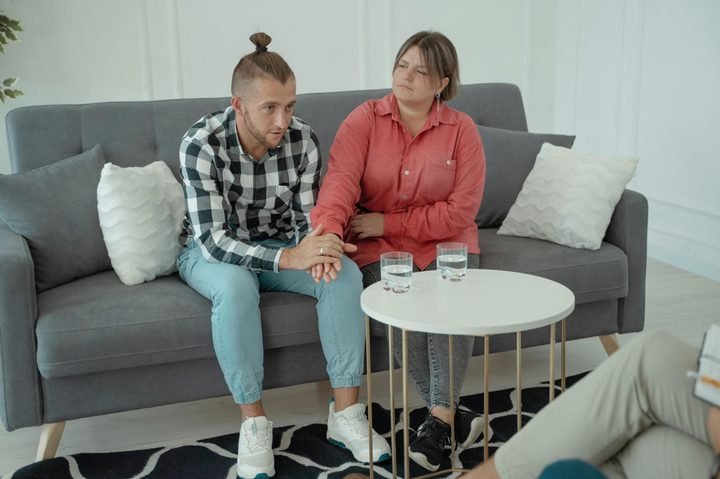
Relationship Counseling in San Francisco
Relationships are one of the most meaningful parts of life, yet they also stir up some of our deepest emotions, fears, vulnerabilities—and often our sexual insecurities. Many couples come to therapy saying things like:
“We love each other, but we keep having the same argument.”
“Small things turn into big conflicts.”
“We feel more like roommates than partners.”
“We can’t talk about anything without someone shutting down.”
“Our sex life feels tense, distant, or nonexistent.”
“We want to feel close again—emotionally and physically.”
In a city like San Francisco—fast-paced, expensive, high-pressure, and socially complex—relationships often carry stressors that aren’t visible from the outside. Long work hours, tech burnout, financial strain, identity exploration, cultural differences, and community expectations all shape how couples communicate, connect, and experience intimacy.
Relationship counseling creates a space to slow down, understand patterns, and rebuild emotional and sexual connection with clarity and compassion.
1. Why Relationships Feel Hard (Even When They’re Good)
Many couples feel confused when tension arises, especially when love and attraction are still present. But conflict isn’t a sign of failure—it’s a sign that something emotionally important is happening beneath the surface.
Common relational stressors I see in San Francisco couples include:
demanding work schedules
tech burnout and chronic stress
financial anxiety and housing pressure
cultural or identity differences
emotional misattunement
mismatched communication styles
past trauma affecting the present
fear of vulnerability
attachment wounds
changes in desire or sexual connection
major life transitions
Couples often don’t realize they’re reacting to old emotional and relational templates, not just the current disagreement—or the current sexual impasse.
2. Relationship Patterns Begin Long Before the Relationship
Couples often think the issue is “communication skills” or “not having enough sex,” but the deeper issue is usually emotional patterns shaped long before the relationship began.
Therapy explores:
what closeness meant in your family
how conflict and affection were handled growing up
what vulnerability felt like as a child
which emotions were safe or unsafe
how desire, touch, or affection were modeled
how you learned to protect yourself
what “love,” intimacy, and sex came to mean early on
Research shows that early attachment experiences strongly influence adult emotional and sexual intimacy (Bowlby, 1988; Johnson, 2019). These early blueprints quietly shape how couples relate, argue, withdraw, pursue, and connect sexually.
3. The Cycle: Why Couples Keep Having the Same Argument
Most couples aren’t really fighting about dishes, schedules, or tone—or even about sex frequency.
They’re fighting about what the moment represents emotionally.
Under the surface there is often:
fear
loneliness
longing
insecurity
shame
feeling unseen or undesired
needing reassurance
fear of abandonment
desire for emotional or sexual closeness
Couples therapy helps identify the emotional meaning beneath these moments so partners can respond differently instead of repeating the same painful cycle—both inside and outside the bedroom.
4. Why Communication Breaks Down
Communication issues are almost never about the literal words exchanged.
They’re about:
emotional pressure
unspoken expectations
fear of conflict
fear of losing the relationship
difficulty tolerating discomfort
feeling criticized or rejected
shutting down as a coping strategy
avoiding conversations about sex or desire
Therapy helps slow communication down so each partner can actually hear—and be heard—without defensiveness or shutdown.
5. Intimacy, Desire, and Sex in Long-Term Relationships
Intimacy and sex naturally ebb and flow over time, but many couples feel shame or panic when desire changes.
Common themes include:
mismatched sexual desire
stress and burnout affecting libido
emotional distance spilling into sex
difficulty initiating or responding
body image concerns
performance anxiety
resentment affecting intimacy
fear of rejection
different attachment needs or erotic styles
Research suggests that emotional safety and secure attachment are strongly linked to satisfying sexual connection (Johnson & Zuccarini, 2010). Couples therapy approaches sex and desire with curiosity—not pressure—helping partners reconnect emotionally and physically.
6. How Couples Therapy Helps
Couples therapy isn’t about assigning blame—it’s about understanding the relational and emotional system.
Relationship counseling helps partners:
identify emotional and sexual triggers
understand each other’s inner world
reduce defensiveness
repair after conflict
strengthen communication
talk about sex with less shame and fear
express needs clearly
move out of blame cycles
rebuild trust
reconnect emotionally and physically
create a shared sense of safety
When couples understand the emotional meaning behind their reactions, everything shifts.
7. Why Relationship Counseling Is Especially Helpful in San Francisco
San Francisco couples face unique pressures:
high cost of living → financial stress
intense work culture → limited downtime and intimacy
social comparison → insecurity or doubt
queer, open, or poly relationship structures → require nuance and clarity
diverse cultural backgrounds → different relational and sexual expectations
frequent transitions (moves, career shifts, identity development) → strain on connection
Local surveys show that Bay Area couples report higher stress related to work, housing, and time scarcity compared to national averages (UCSF Health & Bay Area Council, 2023). Couples therapy offers a stable, grounded space amid the intensity of the city.
FAQ: Relationship Counseling in San Francisco
How do we know if we need couples therapy?
If you’re stuck in repeated patterns, struggling to communicate, or feeling emotionally or sexually disconnected, therapy can help.
Is couples therapy only for relationships in crisis?
No. Many couples come to deepen connection, improve intimacy, or navigate transitions.
How long does relationship counseling take?
It depends on your goals. Some couples work short-term; others benefit from deeper exploration.
Do you take sides?
No. The focus is the relational dynamic—not blaming either partner.
Is relationship therapy LGBTQ+ affirming and sex-positive?
Yes. I offer queer-affirming, gender-aware, culturally sensitive, and sex-positive couples work.
If Your Relationship Is Struggling—or You Want to Deepen Your Connection
I offer relationship counseling for couples in San Francisco who want to understand their emotional and sexual patterns more deeply and build a more connected, satisfying relationship.
References
Bowlby, J. (1988). A Secure Base: Parent-Child Attachment and Healthy Human Development.
Johnson, S. M. (2019). Attachment Theory in Practice.
Johnson, S. M., & Zuccarini, D. (2010). Integrating sex and attachment in emotionally focused couples therapy. Journal of Marital and Family Therapy.
UCSF Health & Bay Area Council. (2023). Bay Area Work, Stress, and Well-Being Report.
